 Global AI Wire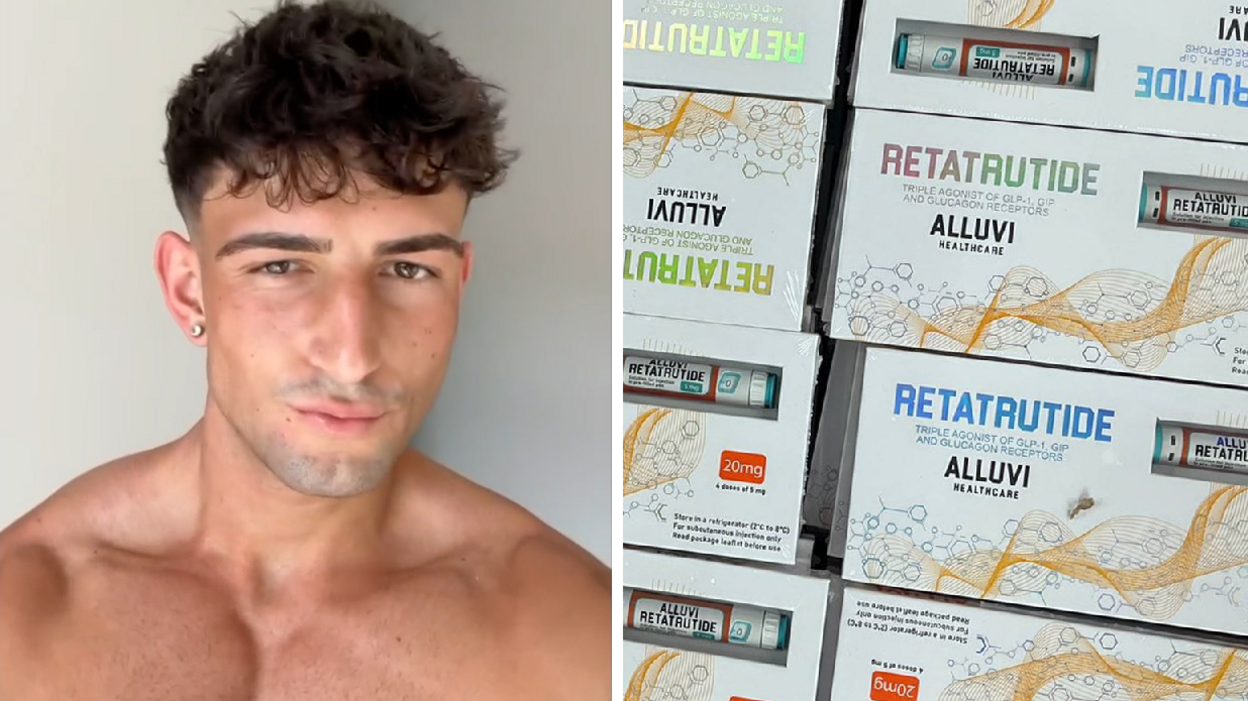
Excitement around the creation of a new drug, especially one showing early promise in clinical trials, is often celebrated by those developing it. But new weight-loss drug retatrutide has become a headache not only for Eli Lilly, the pharmaceutical company behind it, but for regulators in the UK and around the world. The jab has not yet been approved for human use by any regulatory body.
Illicit, counterfeit dupes of retatrutide are currently flooding the black market. Experts have told the BBC this is one of the first times they have seen copycat versions of an experimental drug, still in the throes of being tested, become so widely available. Vials purporting to be 'reta' are being sold in the UK in gyms, nail and beauty salons, hairdressers, on social media, and even by street flower sellers.
Pharmacist Sehar Shahid says, "The world has gone mad." People are effectively injecting an illegal drug and thinking it's safe. It's become so normalized that users openly discuss dealers, best sources, and share details on social media. One user, Tom Davies, nearly ended up in hospital after overdosing on a fake version, experiencing severe nausea, bloating, and diarrhea.
Despite positive results in its most recent clinical trials, real retatrutide is still being tested for safety and efficacy. Only 50% of drugs in Phase III trials are approved by the FDA. Fake versions may contain unknown ingredients, harmful contaminants, or incorrect dosages.
Eli Lilly warns that users risk serious health consequences. Endocrinologist Prof Donal O'Shea notes that some personal trainers supply the drug to clients, unaware of the risks. Dr Nas Khattak, a clinical researcher, highlights that fake users are acting as lab rats without medical oversight.
Users report varied side effects, including brain fog, loss of libido, and emotional numbness. Lisa King, a user of fake retatrutide, lost weight and managed symptoms of polyendocrine metabolic ovarian syndrome (PMOS) but warns against relying on unapproved drugs. Eli Lilly is taking legal action against illegal sellers, while the UK’s MHRA has seized counterfeit products.
Despite the risks, the drug’s potential—acting on three hormones to mimic appetite control and calorie burning—makes it a target for black-market exploitation. Approval timelines vary, with the US FDA review expected by late 2027 and UK approval potentially by 2028.
Source: BBC