 Global AI Wire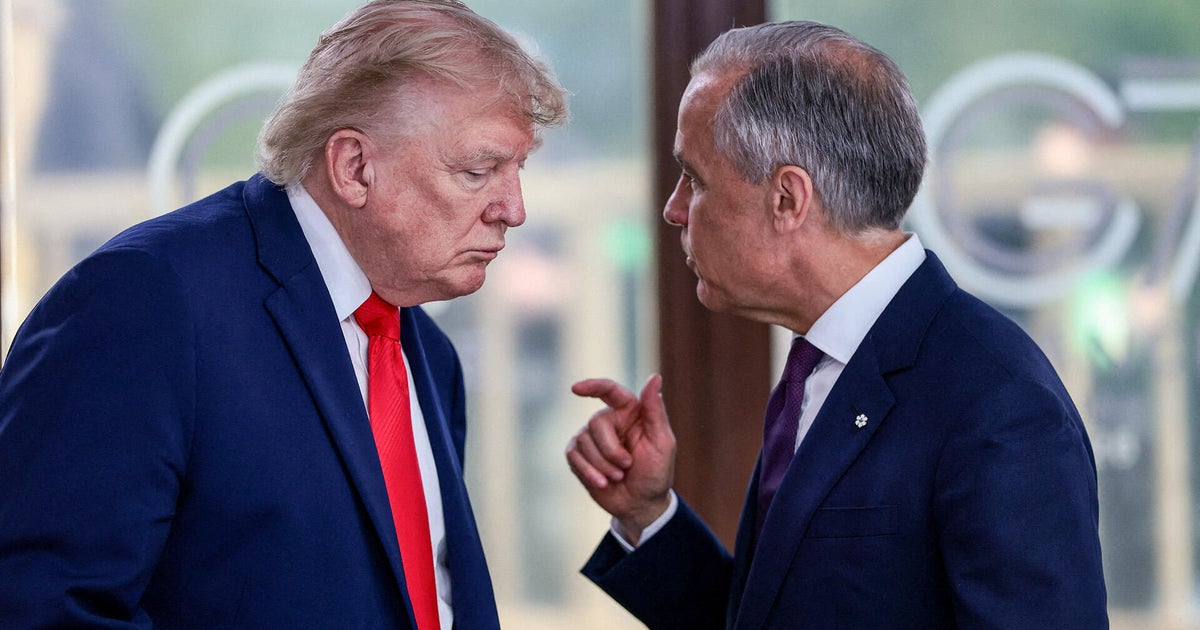
By September 8, 2026 / 12:01 AM EDT / CBS News Canada's steep retaliatory tariffs on $20 billion in U.S. goods took effect just after midnight ET on Tuesday, extending the trade war between the two countries. The Canadian government announced the planned tariffs two weeks ago, after trade negotiations broke down and the Trump administration followed through on a threat to impose 50% duties on $20 billion worth of goods from Canada. Officials in Canada have vowed to match the U.S. levies 'dollar for dollar.'
Canada's tariffs range from 15% to 50%. American milk, perfume, video game consoles, golf clubs, fishing rods, steel, aluminum, jackets, and T-shirts will face 50% tariffs. Cheese, carpets, and certain household appliances like stoves and air conditioners will be subject to 25% tariffs, while forklifts and industrial molds will face 15%. Initially, some American seafood was slated to face 25% tariffs, but Canada removed those tariffs following pushback from the lobster industry.
Economists say Canada's tariffs could hit manufacturers in Midwestern states like Michigan and Indiana, as well as dairy producers in Wisconsin and Vermont. The levies were imposed in response to U.S. tariffs on Canadian milk, honey, hockey sticks, alcoholic beverages, plywood, down feathers, jewelry, and other goods. The tit-for-tat tariffs impact a small fraction of the goods that flow across the U.S.-Canada border, which totaled over $700 billion last year.
The escalation marks an intensification of an increasingly bitter trade dispute between two allies. President Trump threatened tariffs on Canadian and Mexican goods shortly after returning to office last year, citing insufficient action to prevent drugs and migrants from crossing into the U.S. Canada responded with retaliatory measures, including tariffs on U.S. goods and boycotts on American liquor in some provinces. Trade talks were later called off, but tensions remained high.
Trump chose not to renew the U.S.-Mexico-Canada Agreement beyond 2036. The two countries also feuded over NATO and Trump’s comments about making Canada the 51st U.S. state. Over the summer, Trump threatened tariffs on $20 billion in Canadian goods, accusing Canada of discriminating against American-made goods. Negotiations stalled due to last-minute demands from both sides.
After pulling out of talks, Canadian Prime Minister Mark Carney argued Trump’s demands were excessive and insufficiently supportive of Canada’s sovereignty in trade deals. Trump accused Canada of unfair trade practices, claiming it wanted U.S. benefits without full statehood. Ontario Premier Doug Ford called Trump a 'dictator' and criticized his remarks. Trump later renamed Lake Ontario to Lake America and proposed additional tariffs and restrictions.
Last month, Trump announced 50% tariffs on all Canadian automotive and steel imports starting January, and he pushed for Bombardier planes to be produced in the U.S. unless the company relocates production.
Source: CBS News